
 Pest Management
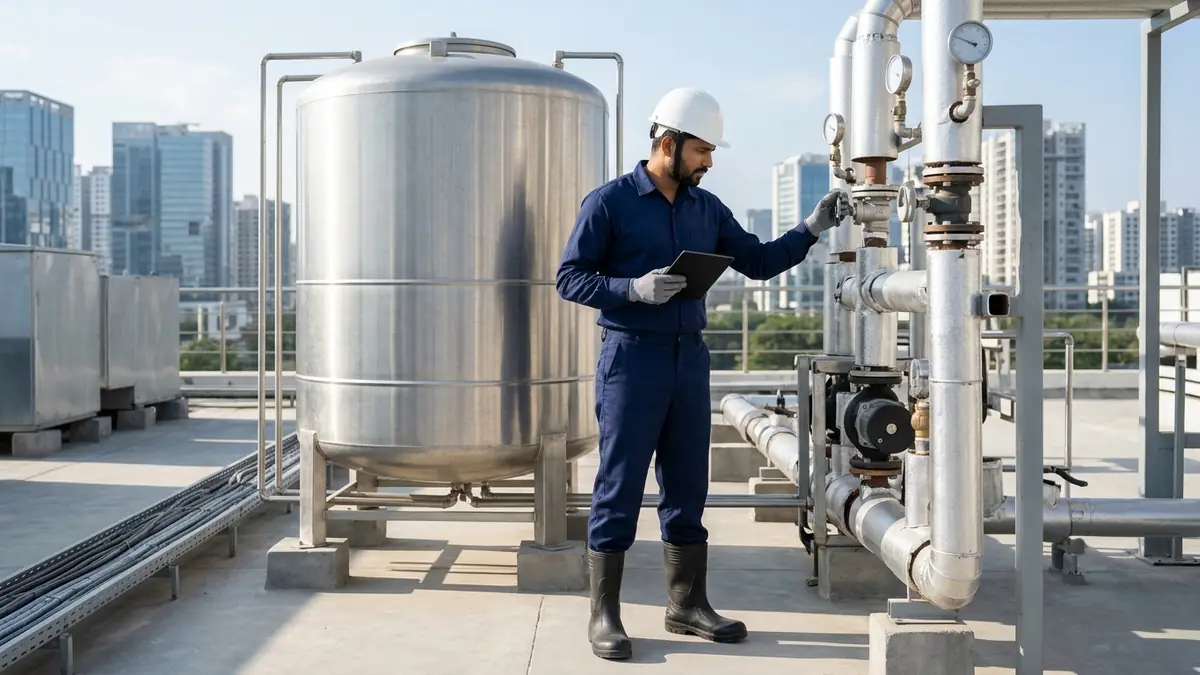
Executing a structured commercial water tank disinfection pre winter guide before December arrives protects building occupants, sensitive machinery and statutory audit scores across India. Monsoon rains wash heavy suspended silt, iron rust and organic spores into underground sumps between July and September. By November, cooling ambient air cuts building cooling-tower and drinking water draw, leaving nutrient-rich sediment sitting inside stagnant reservoirs.
When water turnover slows in winter, biofilm colonies thicken along concrete walls and dark overhead header pipes. Simultaneously, sudden night temperature drops trigger rubber gasket shrinkage, hydro-pneumatic pump cavitation and exposed terrace valve leaks. Neglecting pre-winter maintenance turns minor sediment buildup into coliform outbreaks, clogged solenoid valves and expensive emergency shutdowns.
Urja Facility delivers pan-India facility management services designed to synchronise scientific water hygiene with preventive plumbing engineering. Whether managing corporate towers in Mumbai and Bengaluru, pharma plants in Hyderabad and Indore or logistics parks across Delhi NCR, facility teams need one unified playbook covering tank sanitisation, UV-C validation and pump readiness across pan-India.
Commercial Water Tank Disinfection Pre Winter Guide for Pan-India Facilities
A comprehensive commercial water tank disinfection pre winter guide synchronises post-monsoon sludge extraction, 254 nm UV-C vessel sterilisation, booster pump servicing and terrace pipeline insulation before peak cold sets in. Executing this integrated protocol across pan-India safeguards BIS IS 10500 potable water compliance and eliminates mid-winter plumbing breakdowns.
Most commercial buildings still treat tank cleaning and plumbing repairs as disconnected tasks. A local gang drains the rooftop vessel while pump seals weep inside the basement plant room. Dirty risers then re-seed freshly scrubbed overhead tanks with iron scale and bacterial slime within forty-eight hours.
True seasonal resilience pairs a 5 stage scientific water tank cleaning protocol with mechanical pipeline and pump diagnostics. By deploying our mechanised water tank cleaning services alongside hard MEP inspections during October and November, facility heads eliminate post-monsoon sediment before cold stagnation creates operational risk.
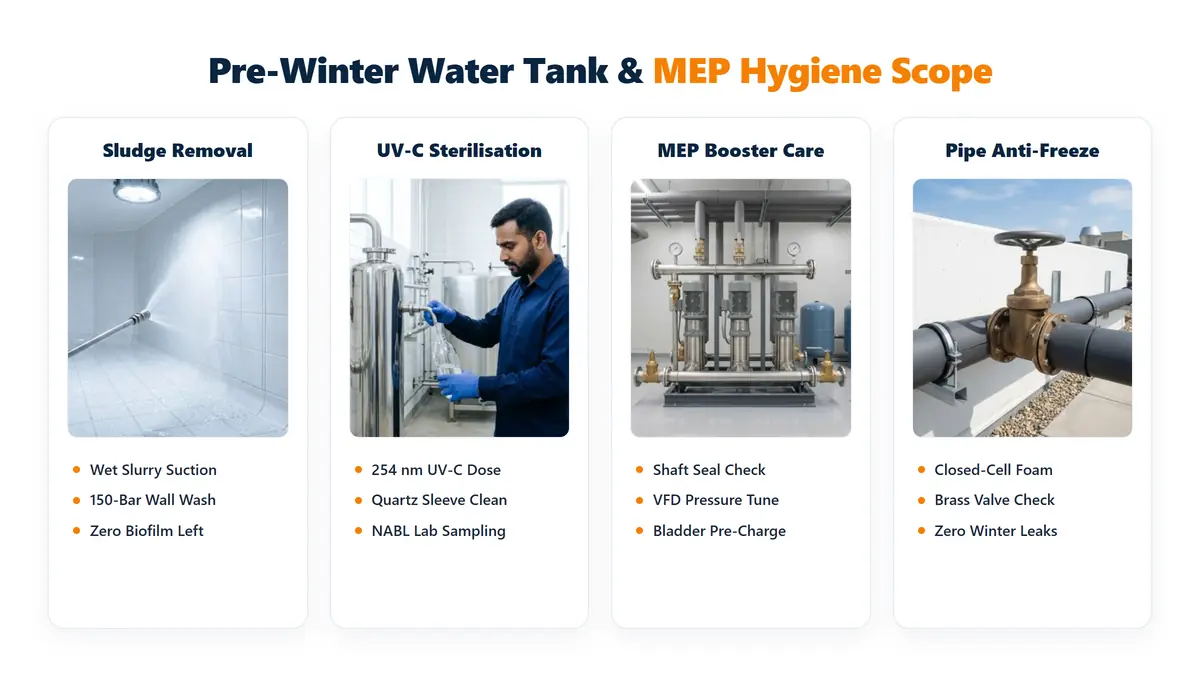
Figure 1: 4-Pillar Engineering Architecture for Pre-Winter Commercial Water Tank & MEP Plumbing Care
This synchronised approach fits multi-site portfolios seamlessly. Corporate IT parks, multi-storey hospitals and automated warehouses reduce planned downtime to a single coordinated weekend shutdown window while generating one auditable hygiene dossier.
Overhead Tank Sludge Removal Steps and UV Sterilisation Standards
Effective overhead tank decontamination removes heavy mineral mud before applying germicides or ultraviolet light. Technicians lock supply manifolds, extract dense silt via industrial wet slurry vacuums, scour concrete or stainless walls with 150-bar rotary jets, apply food-grade mist and sterilise interiors using calibrated 254 nm UV-C wands.
Manual scraping with metal wire brushes damages waterproof tank screeds and leaves microscopic crevices filled with viable coliform bacteria. Following structured overhead commercial water tank sludge removal steps prevents roof drain blockages and removes the sticky extracellular biofilm matrix that shields waterborne pathogens from standard chlorine washes.
Once surfaces are bare and rinsed, teams enforce commercial water tank uv sterilization standards using portable 254 nm UV-C radiation wands alongside inline quartz UV chambers. You can review every mechanical phase in our dedicated 5-stage scientific water tank disinfection workflow, which delivers chemical-free microbial inactivation without leaving unpleasant taste or odour.
Phase 01 • Extraction
Dewatering & Slurry Suction
Evacuating stagnant water and heavy monsoon silt cleanly.
Sludge Vacuum Wet industrial vacuums strip floor muck with zero roof spills.
Drain Protection Downcomers capped so grit never chokes floor flush valves.
Phase 02 • Scouring
150-Bar Rotary Jetting
Dislodging calcified scale and wall algae without abrasion.
Wall Pressure 120 to 150-bar rotating nozzles preserve epoxy and RCC linings.
Corner Joints High-velocity streams flush baffle seams and ceiling soffits.
Phase 03 • Sanitisation
Food-Grade Fogging
Neutralising residual fungal spores across vertical walls.
Contact Dwell 20-minute ULV mist dwell using biodegradable formulations.
Final Rinse High-pressure potable flush leaving zero chemical traces.
Phase 04 • UV Validation
254 nm UV-C Sterilisation
Inactivating bacterial DNA inside empty tanks and supply headers.
UV Dose Floor Minimum 40 mJ/cm2 output with clean descaled quartz sleeves.
Potable Safety Zero chloramine odour and zero taste alteration for occupants.
Cleaning quartz sleeves inside inline UV purifiers immediately after tank desludging is vital. Even a thin calcium film drops ultraviolet transmittance by thirty percent, silently letting winter bacteria slip into drinking water fountains.
Pre-Winter Commercial Plumbing Inspection Checklist and MEP Pump Care
A thorough pre-winter commercial plumbing inspection checklist inspects hydro-pneumatic booster pumps, variable frequency drive pressure transducers, foot valves, rubber flange gaskets and terrace pipe lagging. Catching thermal contraction weepage and worn shaft seals early prevents burst risers and zero-pressure morning complaints across multi-storey towers.
Water viscosity rises slightly in winter while cold night air contracts exposed metallic and CPVC pipe runs across building terraces. Running a systematic pre winter commercial plumbing inspection checklist alongside tank shutdowns lets engineers test isolation gate valves while reservoirs are already empty. Integrating hard technical MEP maintenance services prevents minor packing drips from escalating into ceiling leaks.
Consistent facility management mep water pump maintenance focuses on hydro-pneumatic booster skids, transfer pumps and bladder pressure tanks. In northern corridors and chilled hill belts, commercial building water pipeline anti freeze care also adds closed-cell elastomeric lagging on exposed terrace manifolds. Facility heads map these inspections inside their annual MEP preventive maintenance schedule for zero unplanned outages.
Step 1
Pump Seals & Alignment
Check multi-stage booster mechanical seals, bearing temperatures and motor amp draw under peak load.
Step 2
PRV & Pressure Vessels
Recharge nitrogen pre-charge inside diaphragm tanks and clean brass Y-strainers ahead of pressure valves.
Step 3
Terrace Pipe Lagging
Wrap exposed rooftop headers and ball valves in UV-resistant closed-cell nitrile foam insulation.
Step 4
Float & Sensor Calibration
Descale ultrasonic level transmitters and mechanical float valves inside sumps to stop overflow waste.
Do not overlook sump foot valves and non-return flapper hinges during re-filling. A sticking check valve forces booster pumps to short-cycle every ninety seconds, cutting impeller life in half during low-demand winter nights.
Overhead vs Underground Tank Cleaning Frequency, Hospital and Pharma Standards
Facility hygiene regulations set stricter disinfection intervals for clinical and pharmaceutical sites than standard corporate offices. Balancing overhead versus underground tank cleaning intervals, enforcing monthly hospital NABL microbial sampling and maintaining SS 316L pharma storage sanitisation under BIS IS 10500 guarantees uninterrupted audit readiness.
Comparing overhead vs underground water tank cleaning frequency reveals clear engineering differences. Underground RCC sumps absorb raw borewell sand and municipal grit first, building anaerobic mud beds at the suction foot valve. Rooftop overhead tanks experience daytime solar heat followed by sharp midnight cooling, accelerating condensation corrosion and green algae growth around loose manhole lids.
Healthcare infection teams enforce strict hospital overhead water tank bacterial testing frequency under NABH 5th Edition standards, combining quarterly tank disinfection with monthly NABL coliform and Legionella checks. Similarly, sterile manufacturers follow pharma grade water storage sanitization standards using SS 316L passivation, orbital-welded zero dead-leg loops, 0.2-micron vent filters and spray-ball CIP validation.
| Facility Sector | Overhead Tank Cycle | Underground Sump Cycle | Testing & Regulatory Benchmark |
|---|---|---|---|
| Corporate & IT Parks | Every 6 Months | Every 6 Months | Bi-annual NABL IS 10500 (0 CFU/100 ml) |
| Hospitals & Clinics | Every 3 Months | Every 3 Months | Monthly bacterial test + NABH 5th Ed audit |
| Pharma & Food Units | Every 3 Months | Every 3 Months | Monthly microbial + WHO-GMP / FSSAI logs |
| Warehouses & Plants | Every 6 Months | Every 6 Months | Bi-annual BIS 10500 + fire sump silt check |
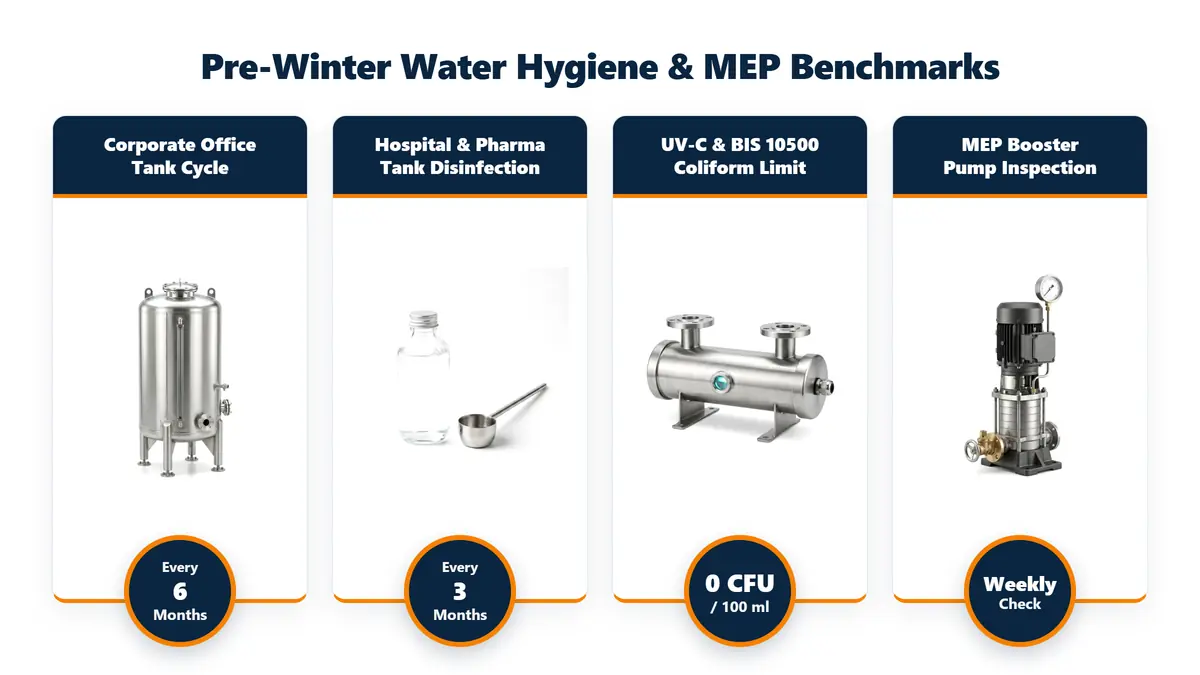
Figure 2: Sector Cleaning Frequencies, Bacterial Testing Intervals & MEP Readiness Benchmarks
Confined Space PPE Safety and Pan-India Integrated AMC Governance
Safe reservoir maintenance depends on certified confined space PPE including four-gas atmospheric detectors, tripod rescue winches, full-body harnesses and 24V lighting. Consolidating tank disinfection, NABL reporting and MEP pump care under a pan-India facility management AMC ensures uniform EHS compliance across every corporate and industrial location.
Deep underground sumps are high-hazard confined spaces where decomposing silt depletes oxygen and pockets hydrogen sulfide gas. Enforcing strict commercial water tank cleaning safety equipment PPE protocols requires four-gas digital monitors verifying oxygen between 19.5 and 23.5 percent, forced-air blowers, tripod recovery harnesses and 24-volt isolated lamps. Urja Facility integrates these life-safety controls into our annual maintenance contract solutions across all client sites.
Urja Facility delivers pan-India facility management services uniting soft hygiene, mechanised tank sterilisation and hard technical MEP care under single-window accountability. From metro IT towers to regional industrial corridors anchored by our facility management AMC services in Indore, enterprise leaders gain verified pre-winter readiness without chasing multiple local contractors.
Pre-Winter Reset (Oct - Nov)
Disinfection & Lagging Overhaul
- 5-stage dewatering, sludge suction and 150-bar rotary wall jetting.
- 254 nm UV-C irradiation plus inline quartz sleeve descaling.
- Booster seal inspection, PRV flushing and terrace pipe lagging.
Active Winter Cycle (Nov - Feb)
Monitoring & Lab Verification
- Monthly NABL bacterial sampling for hospitals and pharma sites.
- Weekly booster pressure log, bladder check and strainer clean.
- Fortnightly gasket weepage walk across exposed rooftop manifolds.
Confined Space Safety Gear
Four-gas monitors, tripod rescue hoists and 24V lighting verified before entry.
NABL IS 10500 Dossiers
Certified microbiological test reports confirming zero coliforms and E. coli.
Before & After Photologs
Timestamped sump, riser and pump-skid audit logs uploaded per shutdown.
Pan-India SLA Governance
Unified water hygiene and hard MEP engineering compliance nationwide.
FAQs
Essential answers regarding pre-winter commercial water tank disinfection clarify post-monsoon cleaning timing, overhead versus underground schedules, 254 nm UV-C parameters, hospital bacterial testing intervals, pipeline anti-freeze lagging and how Urja Facility delivers pan-India integrated water and MEP AMC execution.
Why should commercial facilities disinfect water tanks right before winter starts?
Monsoon inflows leave dense silt and rust inside commercial sumps by October. Cleaning tanks before winter removes organic sediment before cooler weather slows water turnover and triggers bacterial growth.
How does overhead vs underground water tank cleaning frequency differ for commercial buildings?
Underground RCC sumps trap borewell grit first while rooftop overhead tanks face solar heat and thermal cycling. Offices clean both every 6 months, whereas hospitals and pharma plants disinfect quarterly.
What UV-C intensity is required under commercial water tank UV sterilisation standards?
Standard germicidal disinfection applies 254 nm UV-C lamps delivering at least 40 mJ/cm2 inside disinfected tanks and inline purifiers. Quartz sleeves require quarterly descaling to preserve UV transmittance.
What is the recommended hospital overhead water tank bacterial testing frequency?
NABH 5th Edition protocols require full water tank disinfection every 90 days supported by monthly NABL microbiological sampling for total coliforms, E. coli and quarterly Legionella checks.
Why do Indian commercial buildings need water pipeline anti-freeze care in winter?
In Delhi NCR, Chandigarh and northern industrial hubs, night wind chill drops exposed rooftop pipe temperatures sharply. Closed-cell foam lagging also stops thermal contraction leaks across Central India headers.
Does Urja Facility deliver water tank disinfection and MEP plumbing maintenance across pan-India?
Yes. Urja Facility delivers pan-India facility management services nationwide, combining 5-stage scientific water tank cleaning, NABL lab certification and booster pump MEP maintenance under one SLA-driven AMC.