
 HVAC & IAQ

Implementing structured winter integrated pest management protocols commercial operations demand is essential for protecting supply chain hubs and corporate kitchens as winter sets in. From November through February, cooling outdoor conditions drive rodents and cockroaches to seek indoor warmth and nourishment. Facilities across Delhi NCR, Mumbai, Bengaluru, Pune, Hyderabad and Indore face rapid pest penetration if entry points remain unsealed.
Commercial warehouses and employee canteens represent prime winter harborage zones. High-bay racks, cardboard packaging and conveyor motors provide warm shelter for rodents, while kitchens produce steam and food debris. Left unmanaged, cold-stressed pests gnaw electrical cables, spoil palletized inventory and cause critical FSSAI and HACCP non-compliance.
Urja Facility delivers pan-India facility management services engineered to solve seasonal infestation risks through scientific Integrated Pest Management (IPM). Rather than relying on sporadic pesticide spraying that contaminates surfaces, our multi-layered framework coordinates mechanical exclusion, non-toxic monitoring stations, precision gel baiting and digital audit logbooks across pan-India.
GUIDE INDEX Table of Contents Quick Navigation
- 01 Winter Integrated Pest Management Protocols Commercial Operations Demand
- 02 Commercial Warehouse Rodent Control and Winter Migration Dynamics
- 03 Industrial Canteen Hygiene and Cockroach Gel Baiting SOPs
- 04 Structural Exclusion Sealing and Chemical Compliance Standards
- 05 Digital Logbooks, Pest Audit Checklists and Statutory Governance
- 06 Frequently Asked Questions (FAQs)
Winter Integrated Pest Management Protocols Commercial Operations Demand
Winter integrated pest management protocols commercial facilities deploy integrate four defensive tiers: outer perimeter exclusion, warehouse storage bay monitoring, canteen sanitisation and regulatory logbook compliance. Addressing seasonal migration pressures through non-toxic physical barriers and targeted baiting prevents cross-contamination, structural gnawing and severe statutory penalties without disrupting daily operations.
Modern enterprise facility management prioritises preventative Integrated Pest Management over reactive spraying. Waiting until pests appear disrupts operations and leaves chemical residues. Establishing structured commercial pest control services builds proactive environmental controls that deter pests from entering the facility envelope.
Our winter IPM framework operates across four security tiers. The first tier secures the outer perimeter with locked bait stations. The second tier seals dock doors and penetrations. The third tier safeguards storage bays with mechanical traps, while the fourth tier manages canteens using micro-dot gel baiting, bio-enzymatic drain care and insect light traps.
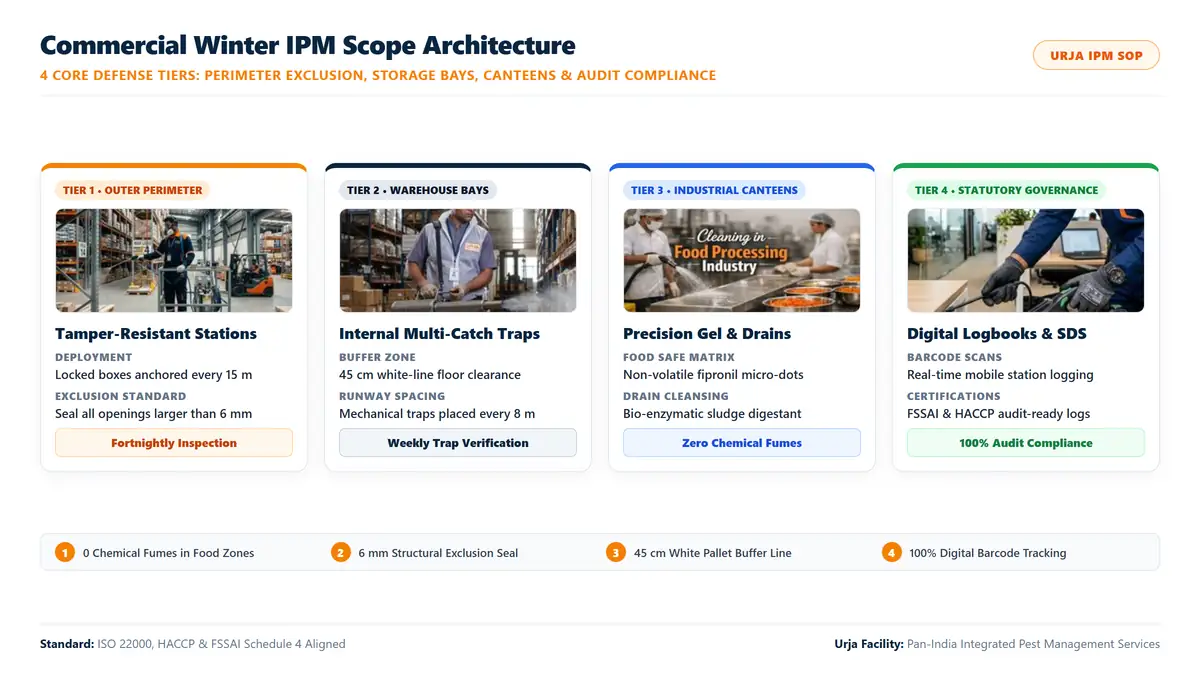
Figure 1: Commercial Winter Integrated Pest Management 4-Tier Defensive Architecture
Biological profiling guides targeted placement. Cold weather compresses rodent feeding ranges close to heat sources, while German cockroaches aggregate inside warm motor compartments. Mapping these micro-climates lets technicians place bait matrices precisely where pests harbour while keeping warehouse inventory completely chemical-free.
Commercial Warehouse Rodent Control and Winter Migration Dynamics
Winter rodent control in commercial warehouses addresses the instinctual indoor migration of Norway rats, roof rats and house mice seeking thermal refuge. Deploying tamper-resistant perimeter bait stations, multi-catch traps along internal runways and maintaining a 45-centimetre wall clearance prevents gnawed cables, ruined palletized stock and costly distribution delays.
Managing commercial warehouse rodent control winter migration patterns requires understanding seasonal pest biology. As temperatures drop, rodents seek warm indoor shelters. Norway rats burrow along foundation perimeters while mice enter through dock crevices, rapidly expanding colonies if unchecked.
Rodents pose severe fire hazards by gnawing on PVC electrical conduits, motor cabling and server lines. Integrating hard technical maintenance services with pest exclusion inspections ensures switchgear plenums and cable risers are mechanically sealed against rodent damage.
Tier 1 • Outer Perimeter
Tamper-Resistant Stations
Locked bait boxes anchored along exterior aprons.
Placement & Spacing Stationed every 15 metres along foundations.
Bait Matrix Paraffin blocks secured against non-target wildlife.
Tier 2 • Internal Runway
Multi-Catch Traps
Mechanical traps positioned flush against perimeter walls.
Trap Cadence Inspected weekly along forklift aisles.
Monitoring Method Adhesive glue boards capturing juvenile mice.
Tier 3 • Inbound Cargo
Pallet Inspections
Incoming shipment audits at receiving bays before racking.
Audit Protocol Visual checks for gnaw marks and droppings.
Defect Isolation Immediate quarantine of compromised pallets.
Tier 4 • Buffer Zone
45 cm White-Line Boundary
Clear floor perimeter between walls and pallet racks.
Visual Floor Marking Epoxy painted white lines eliminating hiding spots.
SLA Verification Zero stock encroachment during daily walks.
Logistics heads must enforce strict storage disciplines. Stacking cartons against walls creates hidden rodent runways. Implementing a warehouse pest audit compliance checklist mandates maintaining forty-five centimetres of unobstructed wall clearance and weekly trap logs.
Industrial Canteen Hygiene and Cockroach Gel Baiting SOPs
Industrial canteen pest protocols prioritize targeted cockroach gel baiting and enzymatic drain sanitisation over broad-spectrum chemical sprays. Applying micro-droplets of fipronil or indoxacarb behind refrigeration compressors, stainless steel prep tables and electrical raceways eradicates German cockroaches while safeguarding commercial kitchens against chemical contamination and FSSAI regulatory infractions.
Industrial canteens are vulnerable during winter as cooking equipment provides warmth and moisture. German cockroaches colonise motor housings, hollow prep table legs and electrical boxes. Broadcast aerosol sprays must be avoided, as chemical mists contaminate food counters and scatter pests into deeper wall voids.
To eliminate colonies safely, enterprise kitchens follow commercial facility cockroach gel baiting sops. Certified technicians apply pinhead-sized micro-dots of non-volatile fipronil or indoxacarb gel inside equipment voids. Foraging roaches consume the bait and transfer the active ingredient through necrophagy, eradicating nests without airborne fumes.
Step 1
Deep Void Inspection
Inspect dark crevices beneath prep tables and motor housings using LED torches.
Step 2
Micro-Dot Gel Application
Apply 5 mm micro-droplets of gel bait into structural seams away from food.
Step 3
Bio-Enzymatic Drain Care
Flush floor drains with enzymatic foam to digest grease and stop fly breeding.
Step 4
Shatterproof ILT Verification
Inspect adhesive sheets in 365 nm UV-A light traps, logging capture counts.
Meeting fssai food processing plant pest control standards also requires meticulous drain care. Warm fatty wastewater forms sludge in floor drains, breeding flies. Replacing caustic acids with bio-enzymatic cleaners digests organic biofilms safely. Integrating high-pressure washing with mechanized housekeeping solutions strips away grease attractants before daily facility shutdowns.
Flying insect control in food halls requires silent capture rather than electric zappers that scatter insect fragments. Commercial kitchens use shatterproof glue-board insect light traps with 365 nm UV-A lamps. Technicians audit the industrial canteen pest management logbook checklist during scheduled weekly visits.
Structural Exclusion Sealing and Chemical Compliance Standards
Structural pest exclusion seals entry pathways using heavy-duty bristle sweeps, copper mesh and silicone sealants across dock levelers and utility penetrations. Pairing mechanical barriers with CIB&RC registered non-toxic chemical formulations ensures full compliance with statutory safety data sheet mandates across corporate, industrial and healthcare environments.
Physical exclusion provides permanent pest defence. An adult rat enters through openings of two centimetres, while juvenile mice squeeze through six millimetres. Applying commercial building pest exclusion sealing techniques creates an impenetrable barrier around dock plates, pipe penetrations and roof louvres.
| Facility Zone | Primary Pest Vulnerability | Structural Exclusion Measure | Inspection Frequency |
|---|---|---|---|
| Loading Dock Bays | Rodent migration under levellers | Heavy-duty nylon brush sweeps and rubber curtains | Fortnightly mechanical check |
| High-Bay Storage Racks | Roof rats and carton gnawing | 45 cm white-line buffer and multi-catch traps | Weekly runway trap check |
| Industrial Canteen | German cockroaches and drain flies | Micro-dot gel baiting and bio-enzymatic flushes | Weekly void inspection |
| Electrical Cable Plenums | Conduit gnawing and cable shorting | Stainless steel mesh packing and intumescent caulk | Monthly acoustic audit |
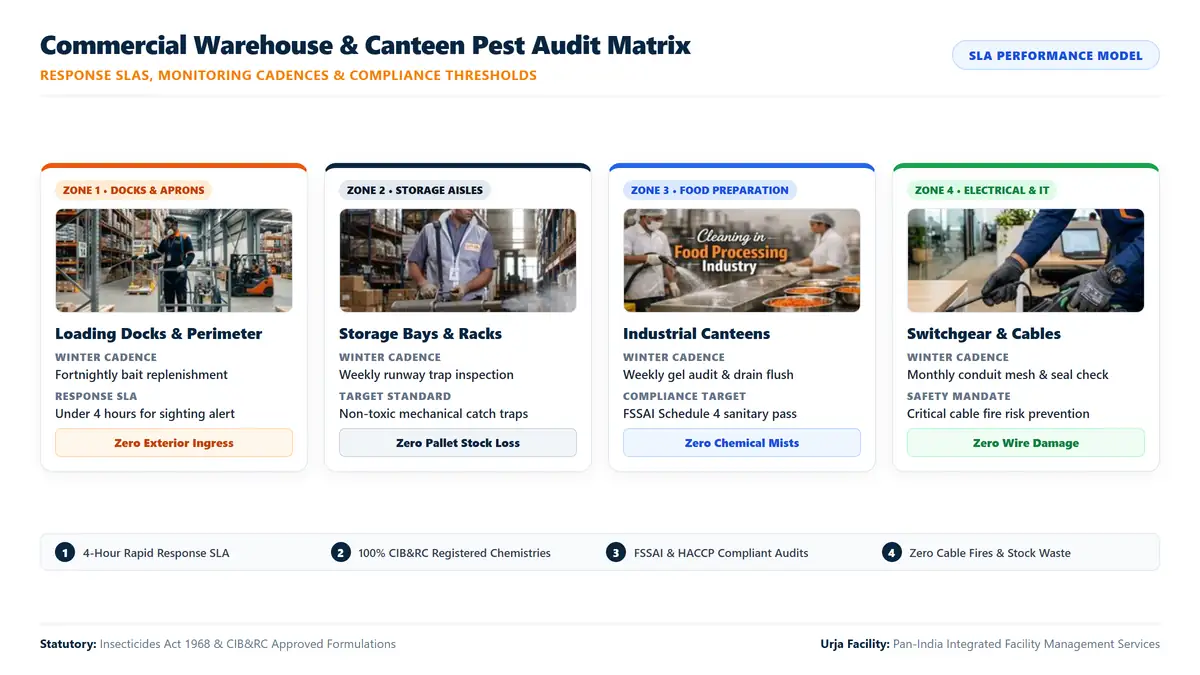
Figure 2: Commercial Warehouse and Canteen Pest Audit Cadence & SLA Matrix
Chemical applications must strictly adhere to non toxic industrial pest control chemical compliance standards. All active ingredients require CIB&RC registration under the Insecticides Act 1968, utilising water-based pyrethroids and insect growth regulators that pose zero health risks to on-site personnel.
EHS teams in pharmaceutical and healthcare canteens must enforce hospital pest control safety data sheet sds rules with complete 16-section GHS records. Structural foundations also require commercial termite detection and prevention protocols. Acoustic sensors and barrier treatments protect pallet timber through our annual maintenance contract services.
Digital Logbooks, Pest Audit Checklists and Statutory Governance
Modern pest governance relies on digital logbooks with barcode-scanned trap stations, trend analysis reports and immediate corrective action tracking. Aligning pest logs with FSSAI Schedule 4 and HACCP food safety standards protects facility managers against non-conformance flags during external supply chain compliance audits.
Paper inspection sheets on bait stations are outdated for modern facilities. Modern logistics parks deploy digital systems where each perimeter station features a weatherproof barcode scanned via mobile apps to record timestamps, bait consumption and technician verification.
Digital records are essential for satisfying haccp compliant pest management food industry audits and FSSAI inspections. Auditors examine multi-month pest trending charts to verify containment. Partnering with a proven facility management AMC partner in Indore and across industrial zones connects logs directly to site quality scorecards.
Facility cleanliness and pest deterrence are inextricably linked. Floors coated in grease or food scraps attract foraging rodents within hours. Pairing routine pest inspections with our post-festive industrial plant 5S cleaning guide ensures storage bays remain clean and inhospitable to vermin.
Moisture control is another critical operational pillar. Maintaining proper air circulation detailed in our winter indoor air quality standards prevents ceiling condensation, removing the damp micro-climates that winter pests require to survive.
Pre-Winter Preparation (Oct - Nov)
Exclusion & Barrier Reset
- Full perimeter seal inspection across dock doors and louvres.
- Anchoring tamper-resistant bait stations every 15 metres.
- Painting 45 cm white floor boundary lines in storage bays.
Active Winter Cycle (Nov - Feb)
Monitoring & Audit Routine
- Fortnightly barcode scans and bait block replenishment.
- Weekly canteen gel checks and bio-enzymatic drain flushes.
- Monthly digital pest trend reports for FSSAI compliance.
Digital Station Barcodes
Perimeter boxes and traps feature encrypted QR codes scanned for audit logs.
16-Section GHS SDS Records
Complete safety data sheets maintained on-site for all approved chemistries.
FSSAI & HACCP Audit Ready
Verifiable pest density trend graphs preventing statutory compliance notices.
Pan-India Integrated SLAs
Unified facility governance uniting MEP, housekeeping and pest exclusion.
FAQs
Crucial questions regarding winter commercial pest management address rodent indoor migration triggers, non-toxic cockroach gel baiting safety in food canteens, inspection frequencies for high-bay warehouses, FSSAI digital logbook compliance and pan-India facility management coverage.
Why does rodent and cockroach activity increase inside commercial facilities during winter?
Plunging outdoor temperatures from November to February create thermal stress for pests. Deprived of outdoor shelter, rodents and cockroaches migrate indoors seeking cardboard harborage, motor warmth and food scraps.
How does cockroach gel baiting differ from traditional pesticide spraying in canteens?
Aerosol sprays release airborne mists that contaminate food prep counters. Cockroach gel baiting applies pinpoint micro-droplets in hidden voids. Roaches ingest bait and spread it via necrophagy, eliminating colonies without chemical fumes.
What are the key FSSAI and HACCP pest management compliance requirements for food canteens?
FSSAI Schedule 4 and HACCP standards mandate documented pest contracts, zero open pesticide spraying in food zones, shatterproof glue-board fly traps, verified Safety Data Sheets and digital inspection logs.
How frequently should warehouse perimeter rodent bait stations and insect traps be inspected?
Exterior tamper-resistant bait stations require fortnightly checks during winter. Internal multi-catch traps along storage runways and canteen monitoring zones are inspected weekly to confirm pest absence and refresh glue boards.
Can commercial warehouses eliminate pests without using hazardous chemical fogging?
Yes. Modern IPM prioritises dock door sweeps, 45 cm white-line pallet clearances, pheromone monitors and tamper-resistant multi-catch traps, controlling pests effectively without exposing logistics personnel or sensitive inventory to chemical vapors.
Does Urja Facility deliver commercial integrated pest management services across pan-India?
Yes. Urja Facility delivers pan-India facility management services across commercial warehouses, factories, corporate business parks and distribution centres, uniting technical MEP care, mechanized housekeeping and FSSAI-compliant pest control under one SLA.